Best Handheld Gaming PCs in Australia 2026
The best handheld gaming PCs for Australian buyers in 2026, with practical guidance on performance, battery, thermals, software ecosystem and value.
Our Quick Picks
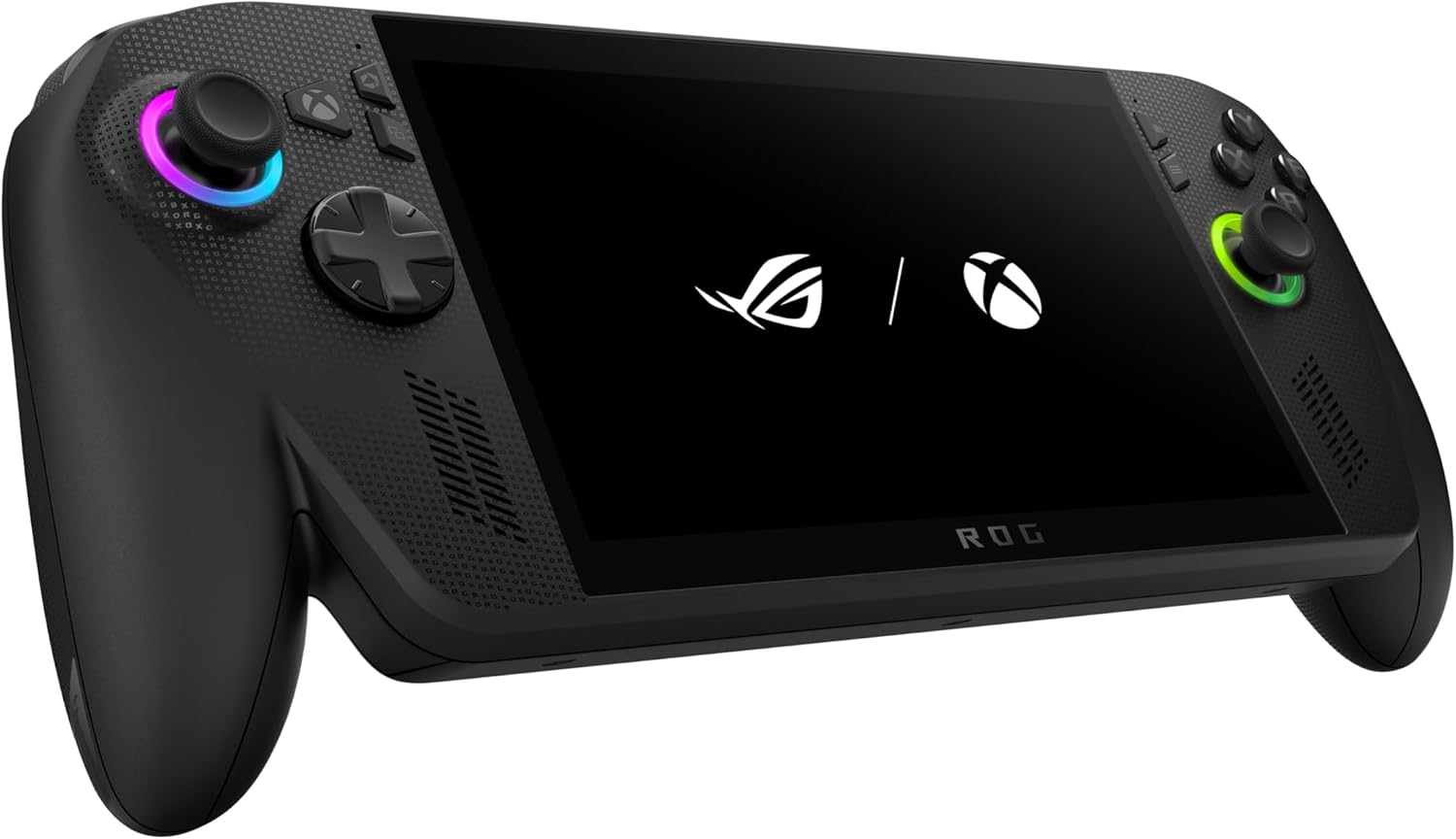
ASUS ROG Xbox Ally X (2025)
The flagship 2025 model with AMD Ryzen AI Z2 Extreme, 24 GB LPDDR5X, 1 TB SSD and deep Xbox integration. Fastest Windows handheld you can buy in Australia today, and a notable upgrade over the 2024 Ally X.
Data & Privacy: Windows 11 with Xbox app integration. Stays local for offline play; Xbox/Microsoft account sync is opt-in. Telemetry follows standard Windows + Xbox settings.
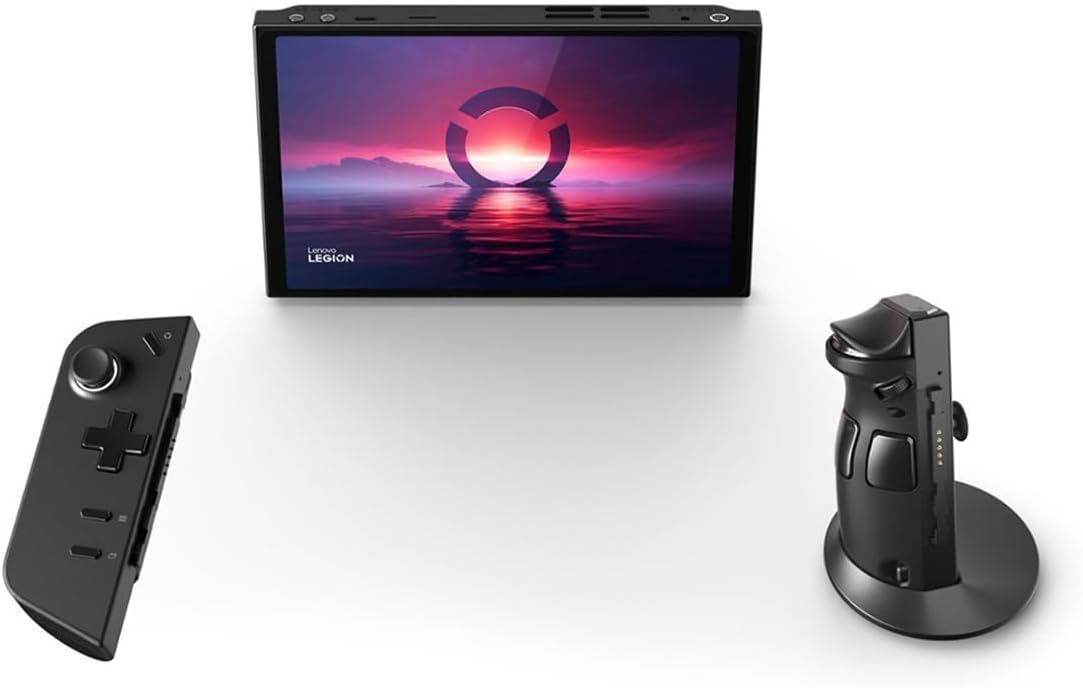
Lenovo Legion Go
Great for buyers who want a larger handheld display and flexible controller setup while staying in the mainstream Windows handheld ecosystem.
Data & Privacy: Primary gaming is local; cloud and account sync behaviour depends on game launchers you enable.
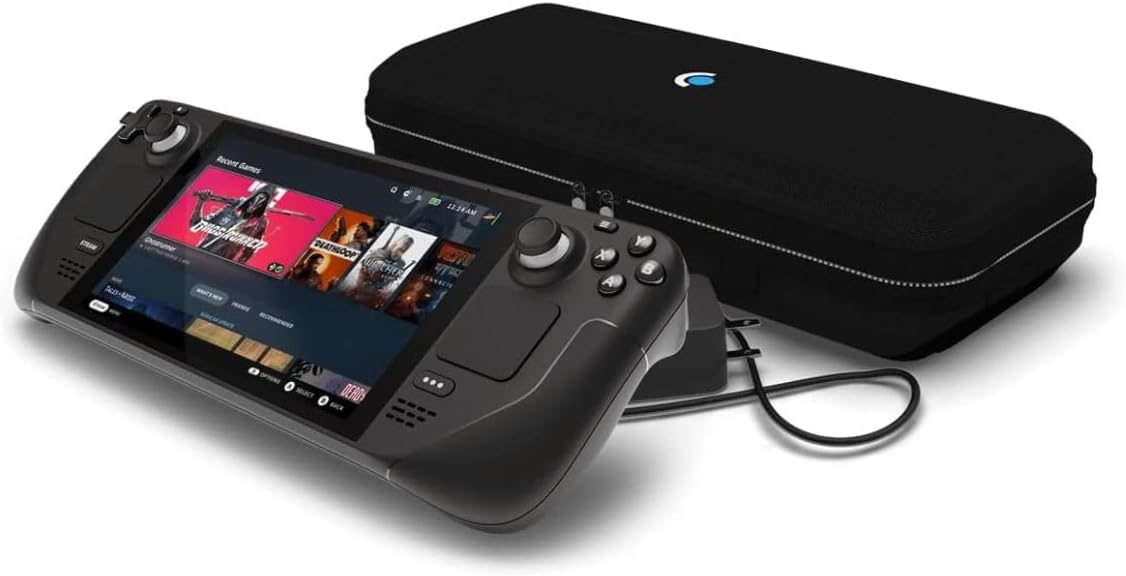
Valve Steam Deck OLED
Still the smoothest handheld UX for players deep in Steam libraries, with excellent OLED panel quality and strong battery efficiency.
Data & Privacy: Games can run locally; account and cloud-save features are optional based on your Steam settings.
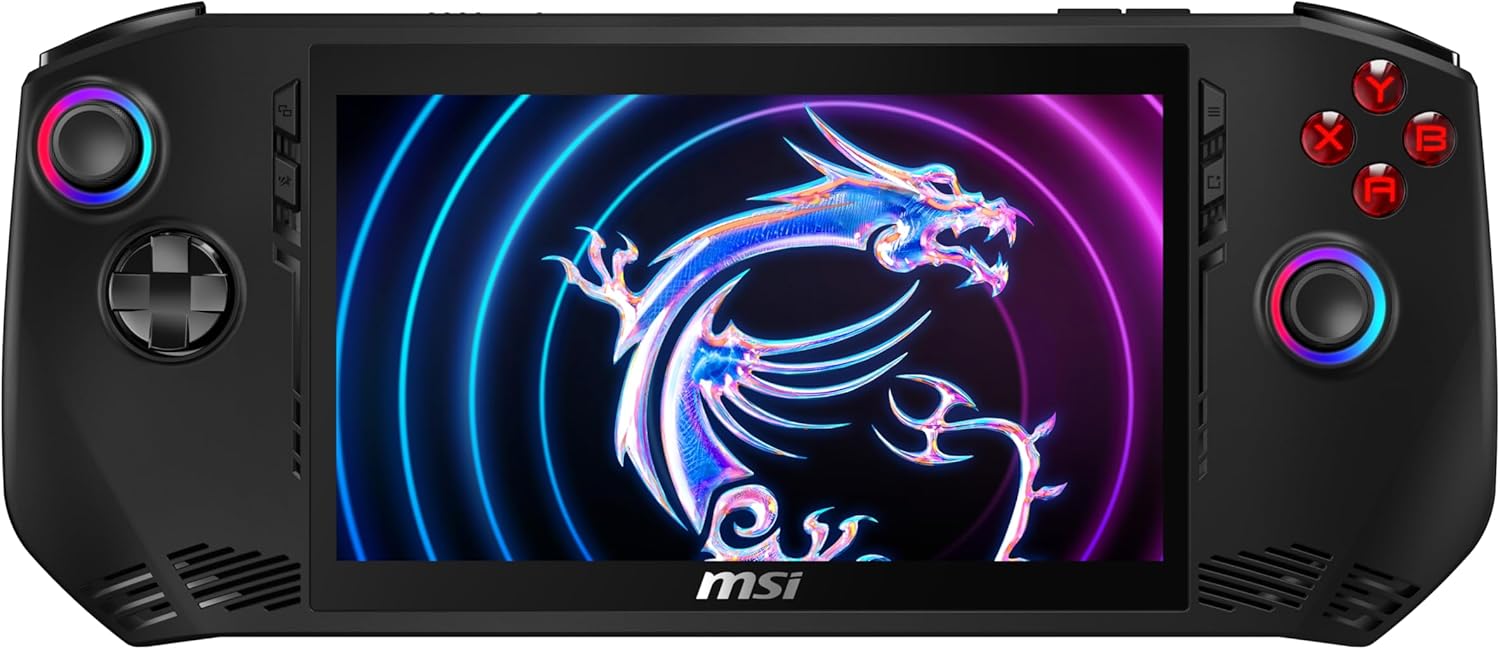
MSI Claw Series
A viable alternative if you want something different from the Ally/Legion mainstream, especially when promo pricing is available.
Data & Privacy: Local play is primary; cloud dependencies are driven by Windows/game-launcher configuration.
Best Handheld Gaming PCs in Australia 2026
The best handheld gaming PCs for Australian buyers in 2026, with practical guidance on performance, battery, thermals, software ecosystem and value.
We may earn a commission when you buy through links on this page. This does not affect our recommendations.
Quick Picks
- Best Overall Windows Handheld: ASUS ROG Xbox Ally X (2025) — around $1,659
- Best Big-Screen Pick: Lenovo Legion Go — around $1,699
- Best SteamOS Experience: Valve Steam Deck OLED
- Best Early-Adopter Alternative: MSI Claw Series — around $1,399
Detailed Reviews
ASUS ROG Xbox Ally X (2025)
ASUS’s October 2025 collaboration with Xbox is the new top-tier Windows handheld. AMD Ryzen AI Z2 Extreme silicon, 24 GB LPDDR5X memory, and a 1 TB SSD give it noticeable headroom over the original Ally X. The 7-inch 120 Hz FHD touchscreen is unchanged in spec but the Xbox-integrated dashboard genuinely improves day-one usability — boot straight into a console-style UI, then drop to Windows when you need Steam, Game Pass, Epic or emulation. Impulse Triggers are a welcome addition for AAA play. Battery life is broadly similar to the 2024 model under heavy load, but the firmware tuning around idle and standby is better.
Pros:
- Latest AMD Ryzen AI Z2 Extreme with 24 GB LPDDR5X — meaningful performance lift
- 1 TB SSD as standard; Xbox dashboard makes Game Pass + cloud titles painless
- Impulse Triggers, 120 Hz display, and refined ergonomics over the 2024 model
Cons:
- Still Windows under the hood — occasional driver/sleep quirks remain
- Battery life dips fast on demanding AAA titles at high TDP
- At ~$1,659 it is the most expensive mainstream option on the AU market
AU price: Around $1,659 on Amazon AU for the RC73XA-NH011W (Ryzen AI Z2 Extreme, 24 GB, 1 TB SSD). ASUS AU lists from $1,699 RRP; JB Hi-Fi and Mwave occasionally undercut by $50–$100.
Lenovo Legion Go
The Legion Go is a strong choice for buyers who care about display size and flexibility. The larger panel helps in strategy/RPG titles and general desktop-like workflows, while detachable-controller ergonomics can be useful in mixed play styles.
Pros:
- Large immersive display for handheld class
- Flexible controls and ergonomic options
- Solid performance for mainstream Windows handheld gaming
Cons:
- Heavier feel in long sessions
- Battery and fan profiles need tuning by game
AU price: Lenovo AU RRP starts around $1,699 (Z1 Extreme, 16 GB, 512 GB). Amazon AU listings via third-party sellers often mark this up to $1,899–$2,099 — buy direct from Lenovo or wait for JB Hi-Fi/Officeworks specials.
Valve Steam Deck OLED
For Steam-centric buyers, Steam Deck OLED remains the smoothest user experience. The software flow is straightforward, the OLED panel is excellent for handheld use, and battery efficiency is often better than many Windows-based alternatives in comparable play scenarios.
Pros:
- Excellent SteamOS user experience
- Strong battery efficiency for many game types
- Very good display quality in OLED model
Cons:
- Less flexible than Windows for some launcher workflows
- AU availability can vary by seller/import path
AU price: Valve does not sell Steam Deck on Amazon AU; expect $899 USD ($1,400 AUD) direct from Valve with international shipping. Amazon AU third-party listings vary wildly and often add a significant import margin.
MSI Claw Series
MSI Claw has improved but is still a more situational recommendation than the Ally or Legion options. It can make sense if pricing/promotions are favorable or if you specifically prefer MSI’s handheld direction over competing ecosystems.
Pros:
- Alternative ecosystem with improving hardware generations
- Can be attractive when discounted
- Good option for buyers wanting non-mainstream choice
Cons:
- Value proposition is highly price-dependent
- Software/performance consistency can vary by model generation
AU price: Around $1,399 for the A1M-055AU (Core Ultra 7, 16 GB, 512 GB), but as of October 2026 it is currently unavailable on Amazon AU. The A1M Core Ultra 5 variant (A1M-036) is in stock at around $939.
Comparison
Handheld gaming PC comparison
| Handheld | OS | SoC / APU | Display | Battery (hrs) | Weight | Steam compat. | PC VR / streaming |
|---|---|---|---|---|---|---|---|
| ASUS ROG Xbox Ally X (2025) | Windows 11 (Xbox UI) | AMD Ryzen AI Z2 Extreme | 7” 1080p 120Hz IPS | 3–5 | 715 g | ✅ | ✅ |
| Lenovo Legion Go | Windows 11 | AMD Ryzen Z1 Extreme | 8.8” 1600p 144Hz IPS | 2–4 | 854 g | ✅ | ✅ |
| Valve Steam Deck OLED | SteamOS (Arch Linux) | Custom AMD Aerith Plus (Zen 2 / RDNA 2) | 7.4” 800p HDR OLED 90Hz | 5–10 | 640 g | ✅ | ⚠️ |
| MSI Claw Series | Windows 11 | Intel Core Ultra 7 155H (Meteor Lake) | 7” 1080p 120Hz IPS | 2–4 | 675 g | ✅ | ✅ |
✅ Excellent | ⚠️ Works but with trade-offs | ❌ Not recommended
Before You Buy
- Match your launcher/library needs first (Steam-only simplicity vs full Windows flexibility).
- Check real battery expectations for your game types, not just synthetic benchmark claims.
- Verify warranty and returns path for AU purchases, especially imported models.
- Budget for accessories: high-wattage charger, case, dock, and microSD/SSD upgrades.
- Confirm thermals/noise comfort for long sessions before finalising premium spend.
Final Recommendation
Choose by play style and ecosystem fit, not just raw spec sheets:
- Best overall Windows pick: ASUS ROG Xbox Ally X (2025)
- Best larger-screen handheld: Lenovo Legion Go
- Best Steam-first experience: Valve Steam Deck OLED
- Best alternative when discounted: MSI Claw Series
For most buyers, the best result comes from balancing performance, battery, software friction, and long-term usability rather than chasing peak benchmark numbers alone.